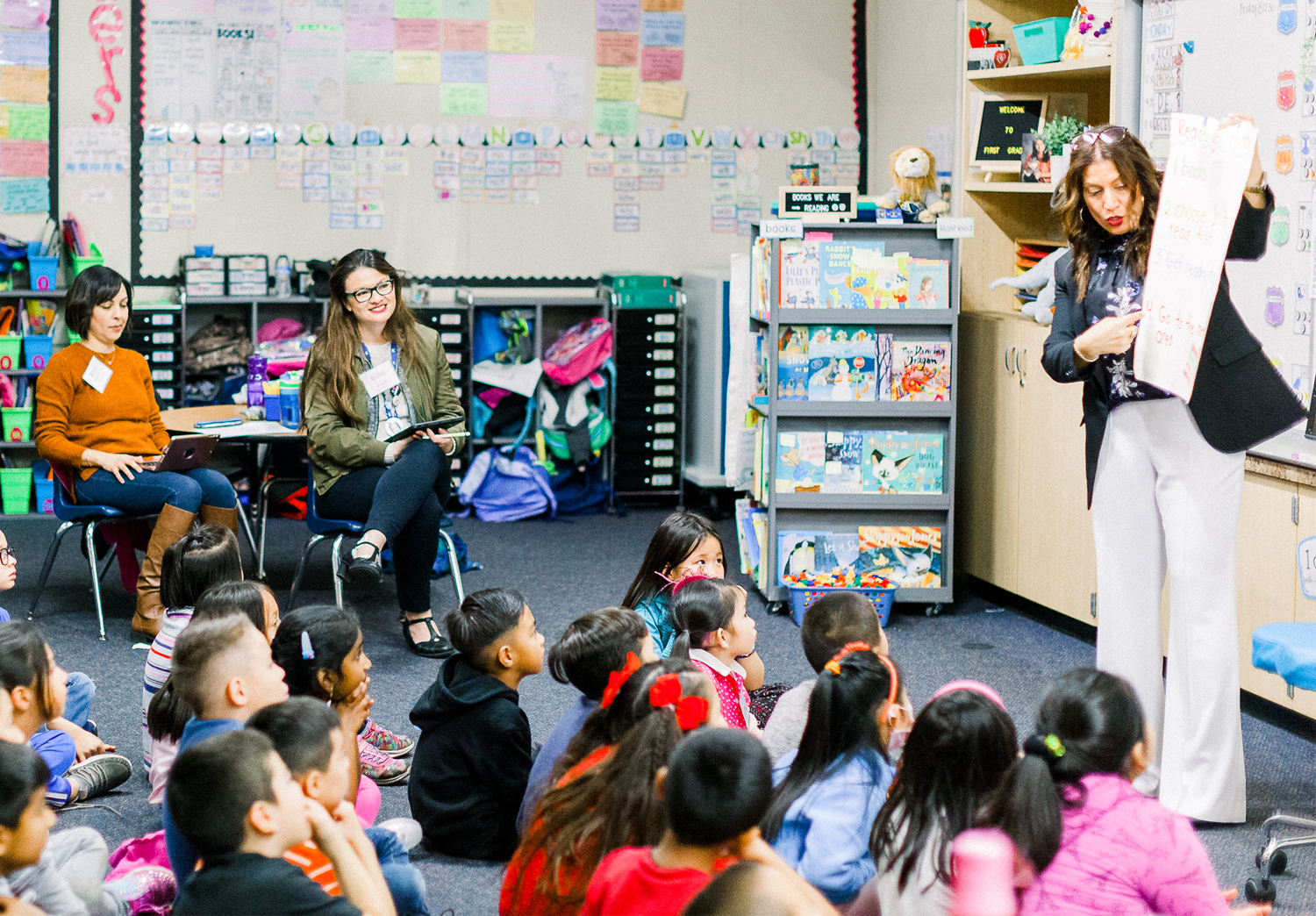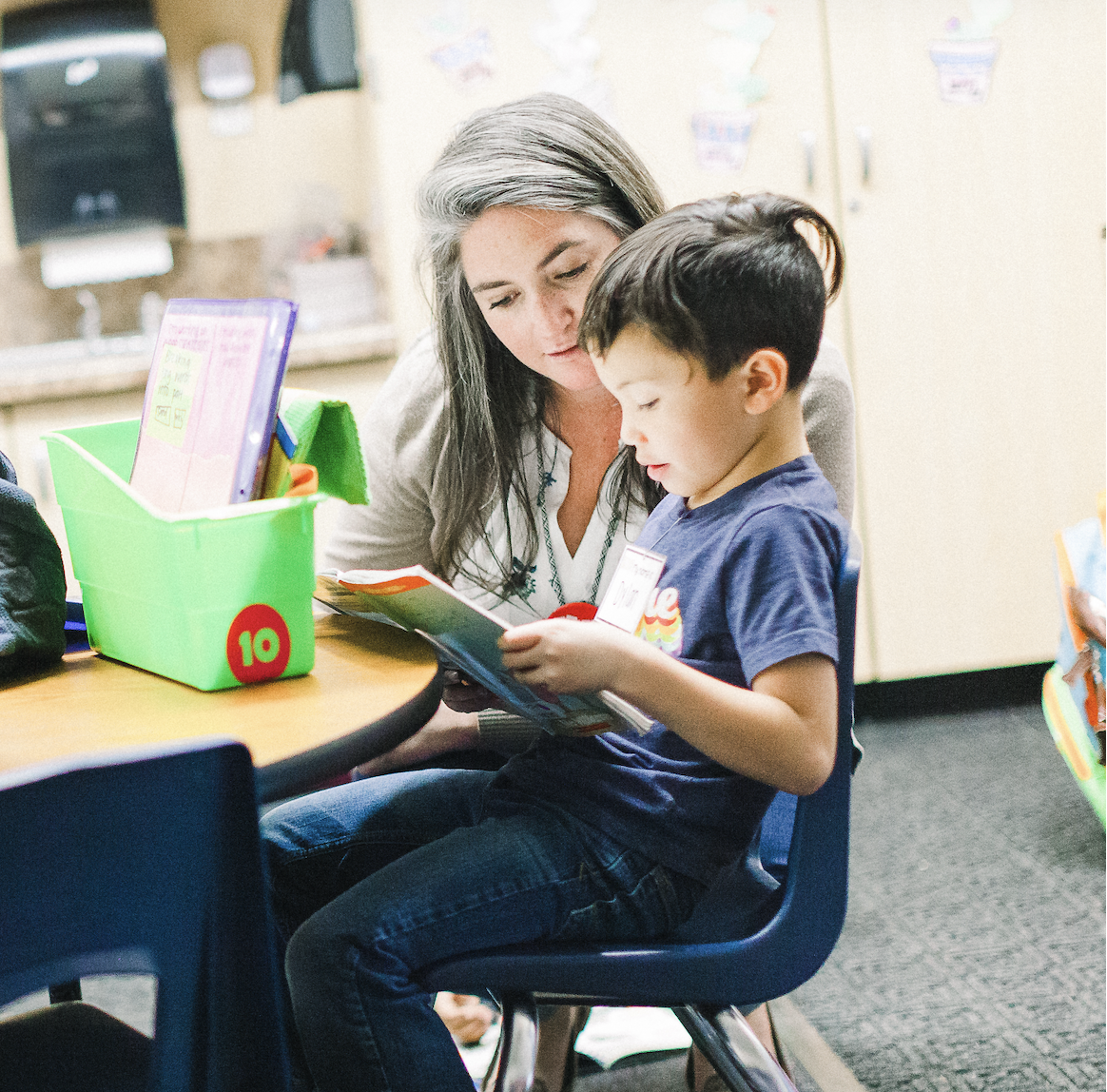



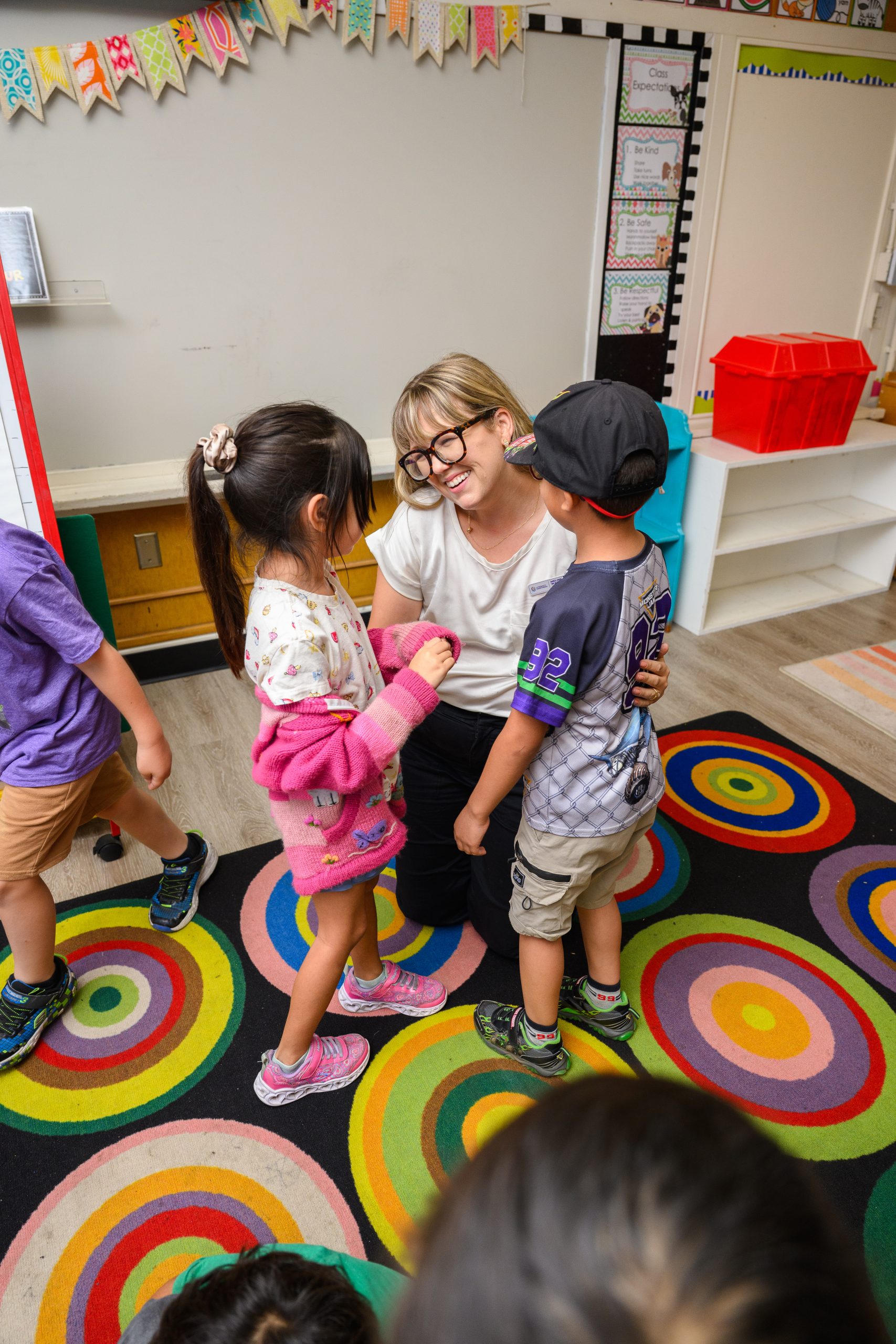
As we prepare for a new school year, let’s reframe what classroom management really means. It’s not about control—it’s about community. Effective classroom management creates an environment where students feel safe, where everyone knows what to expect, and where meaningful relationships are created. So what leads to effective classroom management? Well-established routines. When students understand expectations and procedures, three powerful things happen: behavior problems decrease, instructional time increases, and most importantly, a genuine sense of community flourishes.
Why Routines Matter
So what’s the secret to well-established routines? It’s an ongoing process that requires intentional teaching and practice. Teach them like you would any other skill. A routine can have a HOW and a PURPOSE so start by letting students know what the focus of the routine will be and why it’s important.
MODEL the routine for students. Don’t assume students know the routine. Even something as simple as standing in line needs to be modeled. Think about the steps and then model those steps. See the example below.
How to Walk in a Line
- Bodies are facing forward.
- Hands are on our side.
- Voices are off.
- Walking with quiet feet.
Quick Tip: Students can help create the steps to a routine with you. This will not only be a great opportunity for shared or interactive writing, but it will also help students create ownership and responsibility. You can chart the steps and then remove the chart once the routine becomes automatic.
PRACTICE the routine together as a whole class. Provide feedback on what students did well and what needs to be adjusted. You can create goals for the next time the routine is practiced.
Quick Tip: The first two weeks of school should focus heavily on routine practice. Time invested in routines will pay off in the long run.
A List of Essential Classroom Routines
As you start thinking about the beginning of the school year, keep the following routines in mind.
Arrival & Departure
- Entry routine (unpacking, warm-up task, greeting)
- Attendance procedure
- Dismissal routine (cleaning up, packing up)
Transitions
- Signal for gaining attention (clap pattern, chime, call-and-response)
- Moving between activities or subjects
- Lining up procedure
- Transitioning in and out of the classroom
Instructional Routines
- How to enter independent work time
- Turning in and returning assignments
- What to do when work is finished early
- Getting materials/supplies
- Sharpening pencils or handling supplies mid-lesson
Participation & Communication
- Getting the teacher’s attention (raising hand vs. other signal)
- Asking for help
- Turn-taking during discussions
- Group work roles and expectations
Movement & Behavior
- Bathroom/water break procedure
- Hallway behavior
- Emergency drills (fire, lockdown)
- Lining up
Materials Management
- Where supplies belong and how to access them
- Technology/device check-out and care
- Checking out books from the classroom library
Take time to think through each of these routines and create steps beforehand so that when you teach these routines, the expectations are clear for everyone. The following section will focus on five common challenges and possible solutions.
Common Classroom Management Challenges & Solutions
Challenge #1: Transitions Take forever
When practicing routines, a common challenge teachers have is transitions taking too long. When this is the case, it is important that you create transition routines with clear endpoints and a sense of urgency. For example, use a timer so students know exactly how long they have. You can play transition music that signals the end of a transition or teach students a song for a specific routine. Once the song is finished, the transition is complete. Make sure to have a transition signal such as a hand up, bell, or chime that calls everyone’s attention to stop. Practice transitions repeatedly until they are smooth.
Challenge #2: Students don’t know what to do with downtime
When students are done with their work, they often don’t know what to do next. Make sure to have a clear “When You’re Done” routine. You can create a list of independent activities that students can participate in if they finish their work early. For example, they can take out their books and read, go on iReady, or write. Create independence by making sure that materials are easily accessible so they don’t need your help to keep going..
Challenge #3: Students are inconsistent with routines
If we don’t hold students accountable, this can lead to inconsistencies. You must follow through consistently, even when you’re tired. The number one mistake a teacher can make is “letting it slide.” This signals to students that the routine isn’t important and therefore they don’t need to do it. When this happens, it is important that you reteach and have students practice. Redirect when needed and provide students with feedback. Just remember not to be afraid to go over the steps and practice when a routine isn’t tight.
QUICK TIP: Loop in specialist teachers or outside personnel so that routines stay consistent inside and outside of the classroom. When more than one teacher enforces the routine, it creates consistency.
Challenge #4: Having too many routines can create confusion
Keeping routine directions simple, clear, and consistent is the key to success. Make sure to keep signals consistent where possible so students aren’t relearning constantly. For example, create water and bathroom signals that students can use. Use consistent language/cues (“Voice level 0,” “Eyes on me”) so the same phrase always means the same thing.
Challenge #5: Students view routines as a punishment
Sometimes students view routines as a form of punishment. This can lead to resistance. To avoid this, it is important that you explain the “why” behind routines. You can frame routines as tools that help everyone learn better and feel safer. Like previously mentioned, it is important that students are involved in the creating or revising of routines so they have ownership over their classroom.
Final Thoughts
Routines aren’t set in stone. If something isn’t working, change it. Remember that the goal of classroom management isn’t compliance for its own sake—it’s creating a community where every student feels safe, knows what’s expected, and can focus on learning.
If you’d like to dive deeper into this topic check out our other blog posts on “4 Ways to Build Relationships and Community at the Beginning of the School Year” and “Creating Equitable Classrooms.”