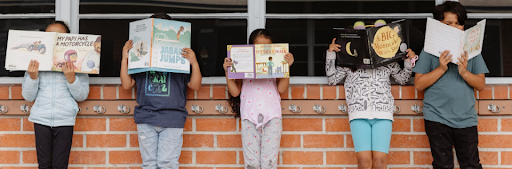




If you teach multilingual learners, you’ve probably had this moment: Your students clearly understand the story, the math idea, or the science concept, but when it’s time to talk or write in Spanish, they freeze. If I’ve learned something over the years, it’s not that they don’t have ideas. The reality is that they don’t yet have enough words or enough chances to practice those words in ways that feel safe and doable.
The good news?
Building Spanish vocabulary doesn’t require extra programs or fancy materials. What it really requires is intentional routines that show up every day in your classrooms. Here are a few strategies that you can try.
1. Daily Oral Language Routines

Language develops when students use it. One of the most powerful tools that we have is structured oral language. That might look like:
- Turn and Talk with a required Spanish phrase or sentence stem
- Giving students time to rehearse with a partner before sharing out
- Letting kids say it out loud before asking them to write it
That rehearsal time matters. It lowers the pressure and gives students a chance to try on language before it “counts.” Over time, you’ll hear them take more risks because they’ve practiced first.
2. Cognates
When we teach students to notice cognates, we are giving them access to academic vocabulary. Cognates allow students to:
- Transfer knowledge between languages
- Make cross-linguistic connections
- Access academic vocabulary faster
Instead of just pointing out cognates, teach students to notice and categorize them. There are three main ways that you can teach students to categorize cognates:
- Exact cognates (animal / animal)
- Near cognates (celebration / celebración)
- False cognates (library / librería)
Activities like cognate sorts, cognate hunts, charades, or cognate notebooks make this learning active and memorable.
3. Sentence Stems
Oftentimes, we think of sentence stems as a crutch when in reality, they’re a scaffold. Here are a few reasons why they work:
- Decreases cognitive load
- Provide strong grammatical models in Spanish
- Increase language output and repetition
- Build confidence and consistency across the day
You can be very intentional in the type of sentence frames you teach students. Below are a few examples:
- Expressing opinions Pienso que… / En mi opinión…
- Explaining thinking Mi razón es… / Esto demuestra que…
- Storytelling Al principio… Luego… Finalmente…
- Clarifying or adding on Quiero decir que… / Quiero agregar que…
When sentence stems live in the room and are used regularly, students begin to internalize the language, not just repeat it. They stop sounding “scripted” and start sounding fluent.
4. Teach Vocabulary in Context
Vocabulary sticks when it lives inside meaningful reading, writing, and conversation. Instead of long word lists, you can try one of the following:
- Pre-teaching 5–7 key Spanish words before a read-aloud
- Supporting meaning with gestures, visuals, real objects, and quick examples
- Re-visiting those same words during shared writing, small groups, and discussion
Words make much more sense when students see them, act them out, and use them in real sentences. Students can’t use words they can’t see. Visual vocabulary supports help Spanish stay present, even when students aren’t actively talking. Try using visual supports to help students:
- Keep Spanish present throughout the day
- Reduce reliance on translation
- Support independence
Here are a few options you can try:
- Picture-based word walls organized by topic
- Personal word dictionaries students add to weekly
- Portable “take-it-with-you” charts taped inside notebooks
- Content-area word walls that bridge everyday language to academic terms (science, math, social studies)
Vocabulary development isn’t about teaching more words faster. It’s about creating classrooms where language is practiced, repeated, supported, and celebrated — all day long. When we build consistent routines for talk, leverage what students already know, and make Spanish visible and usable, we don’t just grow vocabulary. We grow confidence, agency, and voice. Here are some great resources to continue supporting your multilingual students with vocabulary!

Growing Language and Literacy: Strategies for English Learners: 1st Edition