


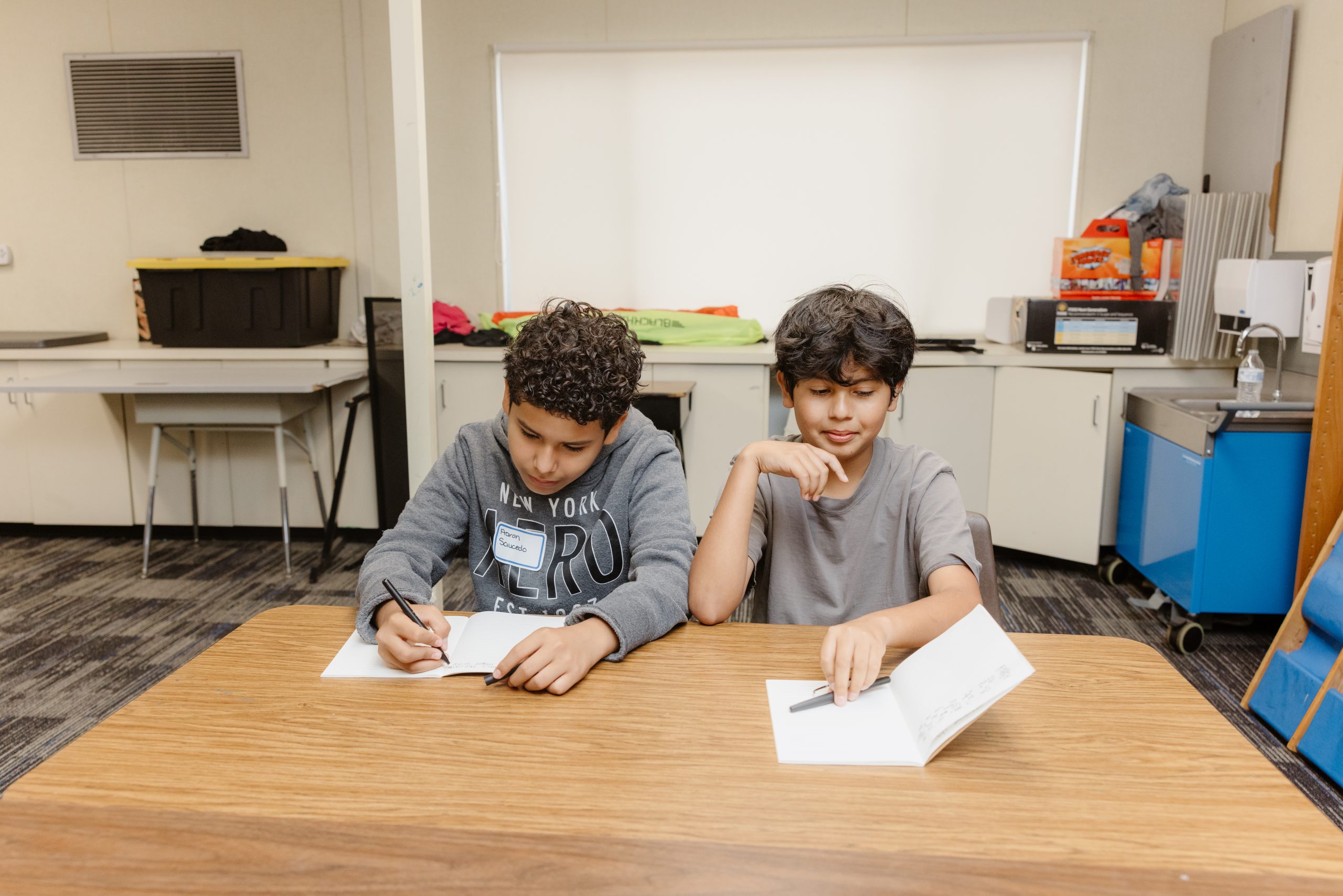
As the school year winds down, many educators face a familiar challenge: how do we sustain meaningful literacy engagement after testing and with summer just around the corner? This stretch of time—often overlooked—can actually become one of the most powerful opportunities for joyful, authentic reading and writing. One of the most effective ways I’ve seen classrooms re-energize literacy instruction in these final weeks is through a graphic novel unit.
What Are Graphic Novels?
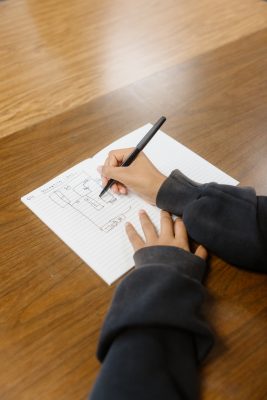
Think of graphic novels as a medium or format rather than a genre. Graphic novels deal with a variety of genres such as mystery or narrative nonfiction, but they are not a genre themselves. Recommended for grades 3–8, graphic novels build upon the skills that students have learned through their narrative units. Students use the stages of the writing process, but apply them to writing a story through frames, panels, and illustrations.
Why Graphic Novels?
Graphic novels are not a “break” from literacy—they are literacy. Teaching a graphic novel unit allows you to spiral both reading and writing skills. For example, graphic novels require readers to understand the narrative structure of text, synthesize visual and textual information, infer meaning, and analyze dialogue. For students who may feel fatigued by traditional texts, graphic novels offer an accessible yet rigorous entry point.
Graphic novels are also great for multilanguage learners since they have visuals and less text. You can provide them with graphic novels that match their reading levels or that are written in their native language. Even more importantly, they invite all students back into the work.
For example, reluctant readers and writers re-engage because the format feels approachable and fun. Multilingual learners benefit from visual scaffolds that support their comprehension and strong readers and writers are challenged to think deeply about the author's craft in a new medium.
The Timing Matters
After months of test preparation, students deserve an experience that feels different—creative, choice-driven, and collaborative—while still grounded in strong instructional goals. A graphic novel unit does exactly that. It shifts the tone from compliance to creativity. It maintains high expectations for reading and writing. It builds momentum into summer reading habits rather than letting them fade. Graphic novels leave students with a positive, lasting connection to reading and writing.
What Does the Unit Look Like?
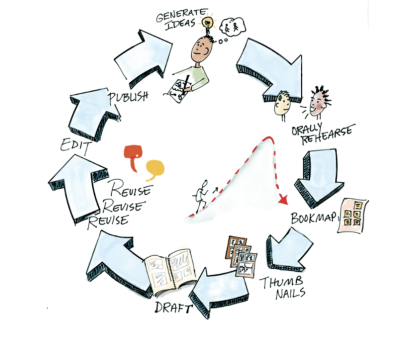
A well-designed end-of-year graphic novel unit follows the stages of the writing process, while also allowing students to use their creativity. Drawing becomes a part of the writing process instead of an add-on activity. Through graphic novels, students are creating a well-paced story. Think of it as students writing in pictures.
How a Graphic Novel Unit Can Go
1. Immersion in Mentor Texts
Students explore a range of graphic novels, noticing:
- How stories are structured across panels and pages
- The role of dialogue vs. narration
- How illustrations convey mood, tone, and character development
2. Explicit Instruction in Craft
Mini-lessons might include:
- Writing effective dialogue
- Using panels to show pacing and sequencing
- Developing characters through both words and images
- Showing (not telling) through visual details
3. Planning and Drafting
Students begin creating their own graphic narratives:
- Storyboarding ideas across panels
- Drafting dialogue and captions
- Revising for clarity, coherence, and impact
4. Revision and Editing
- Rereading for clarity
- Editing to bring dialogue to life
5. Publishing and Celebration
End the year by honoring student work:
- Artists Alley
- Mini comic con
A Final Thought
Too often, the weeks after testing become a period of lost instructional time. But when we intentionally plan for engagement and purpose, we send a powerful message: writing and reading don’t stop. If the goal is to send students into summer as readers and writers, then how we use these final weeks matters deeply. A graphic novel unit doesn’t just “fill time”—it invites students to end the year with imagination, voice, and a sense of accomplishment.
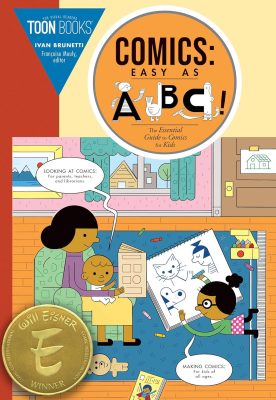
Here are some great resources to continue supporting your students with graphic novels!
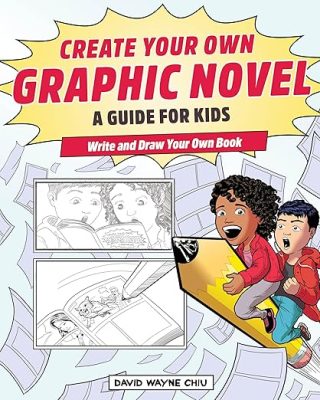
Create Your Own Graphic Novel: A Guide for Kids by David Wayne Chiu
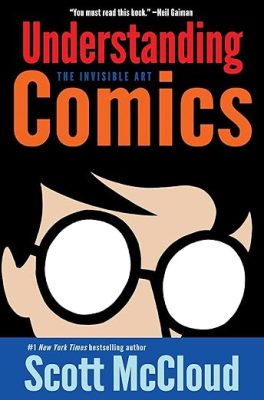
Understanding Comics by Scott McCloud
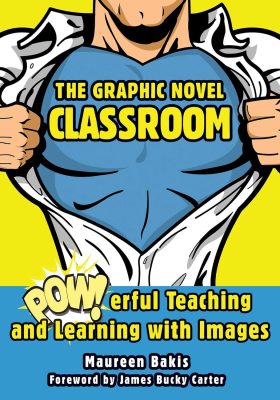
The Graphic Novel Classroom by Maureen Bakis