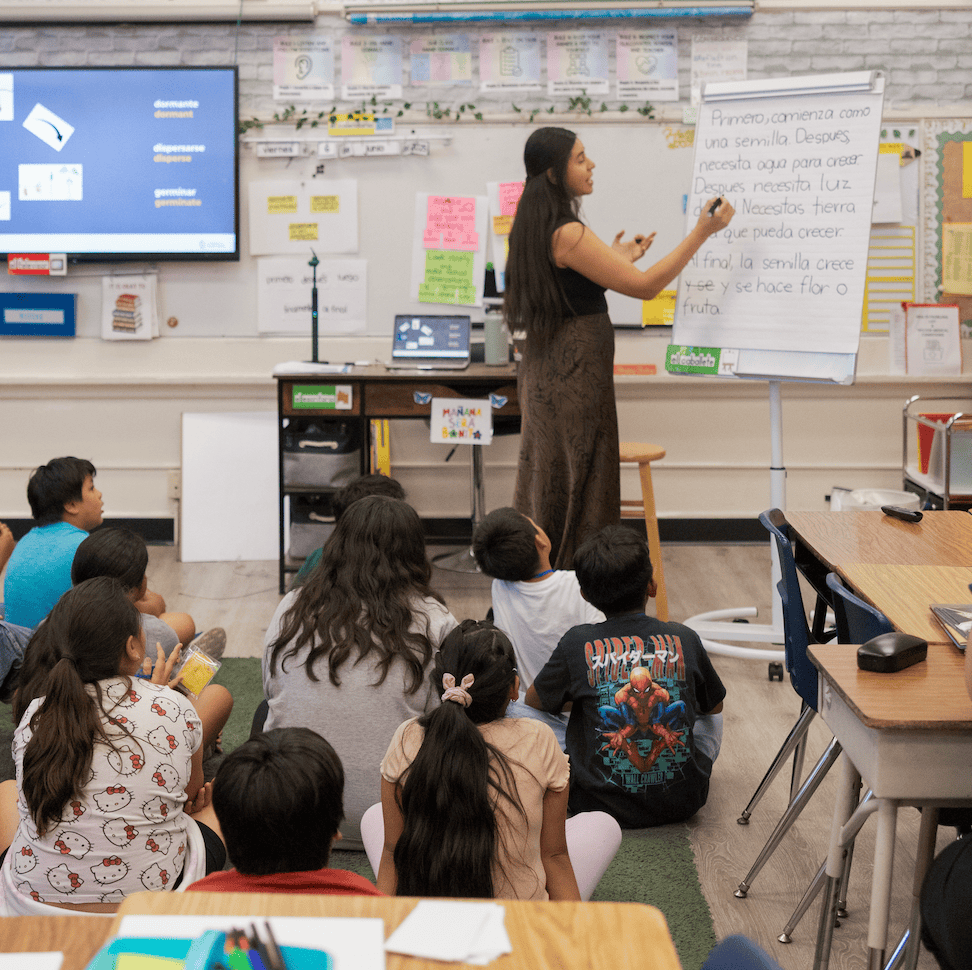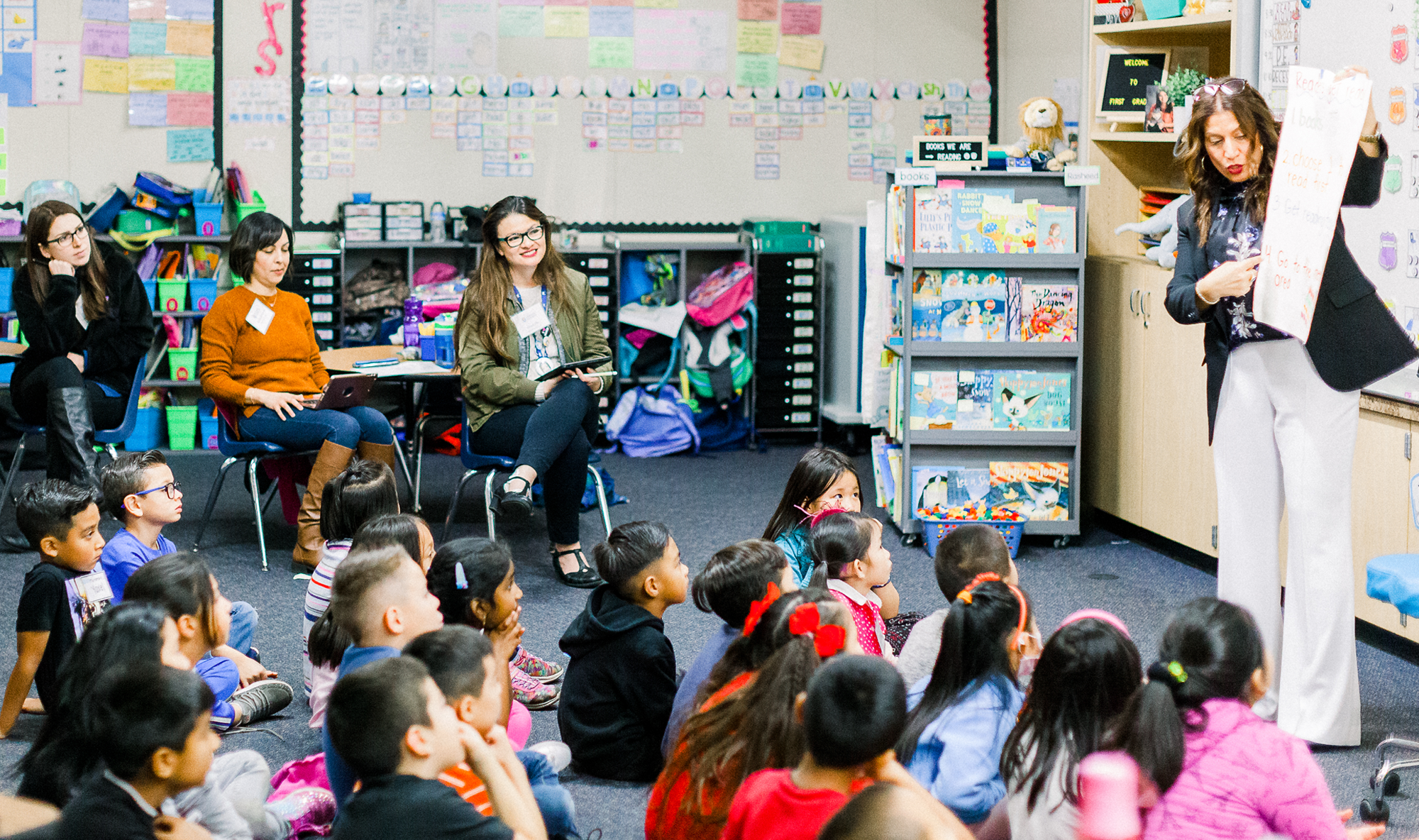





When I taught first and second grades, shared reading was a regular part of our day. Each day for about 10 to 15 minutes, I’d take out the big book or the chart of the poem we were reading that week and lead kids in a choral reading of the text, stopping along the way to tackle phonics skills or fluency. We’d end up in a brief discussion about the text or do a little more word work. At the end of the week, we’d do one last reading and celebrate the work we’d done.
When I moved to upper grades, I Ieft this practice behind because my students didn’t need so much work with phonics. They did need something to help them transfer the comprehension and vocabulary skills we did during interactive read-aloud into their independent reading. It wasn’t long until I realized I needed to bring back shared reading, but with an upper-grade twist.
I learned about the book Text Savvy by a staff developer, and it was just the resource I needed to get started. Fast forward a couple of years, and I met and fell in love with Falling Love with Close Reading. Together these resources informed my new shared reading routine with my upper graders and later my middle schoolers.
Unlike the shared reading I did with primary students that focused on phonics and fluency, we’d use a shared text to do something akin to close reading. However, this was not a close reading protocol that had students independently follow steps with seemingly no purpose except to annotate with different colors: read one time for the gist; read again and circle unfamiliar words; read again and jot down your questions; read again and underline important details. Instead, this was a routine for looking closely at text to analyze it and develop new understandings and ideas. The focus was more on the thinking than the annotating.
You’ll want to start by thinking about the skill(s) you want to focus on. Then choose an engaging short text (story, excerpt, poem, etc.), a video clip, or an image that will allow for opportunities to practice that skill. Each day starts with a read or reread of the text (silently for the most part but also aloud as a group for kids needing fluency practice). Kids can take notes on a copy of the text or in their own notebooks. Partners can discuss first, and then it can become a brief whole-class discussion.
Here’s how a week or two-week plan could go:
Text: Lemon Andersen performs “Please Don’t Take My Air Jordans”
(You can have students watch the video on the first “read” and then provide them with a transcript for rereading.)
Day 1: Read/watch/observe for the gist. What are your initial ideas about this text? Why?
Day 2: Choose a lens to reread with (e.g., word choice, details, structure, etc.) What does the character do, say, think? How does this add to or change your idea?
Day 3: Mini-debate: Do you think this poem is more about the issue of fitting in or materialism? Which idea has stronger evidence?
Day 4: Now, what is your idea or theory about this text? What makes you say that?
By the end of the week, students’ initial ideas are much more complex and nuanced than what they started with.
This shared reading routine can be used in a whole-class setting but can also be used for small group instruction. This can be especially helpful when you’re teaching online, and it’s challenging to guide students in their own texts. You can also use it in small groups for word work. Either way, it’s a great way to bridge the high level of support that students are given in interactive read alouds to the low level of support they have when reading on their own. When you choose compelling texts, it can be a truly joyful reading experience.
We’d love to hear about shared reading in your classroom!
And if you found this article helpful, you might enjoy reading these: